There is no sound quite as stressful for a Portland homeowner as the steady drip-drip-drip of a roof leak during a midnight downpour. In the Pacific Northwest, we don’t just get rain; we get sustained moisture that puts every square inch of your roofing system to the test.
If you’ve discovered a brown spot on your ceiling or active moisture in your attic after a storm, you aren’t alone. In our region, a roof leak is often the result of “death by a thousand cuts”—small issues that finally give way under heavy rain. Here are the top four causes we see in the field and how to address them quickly.

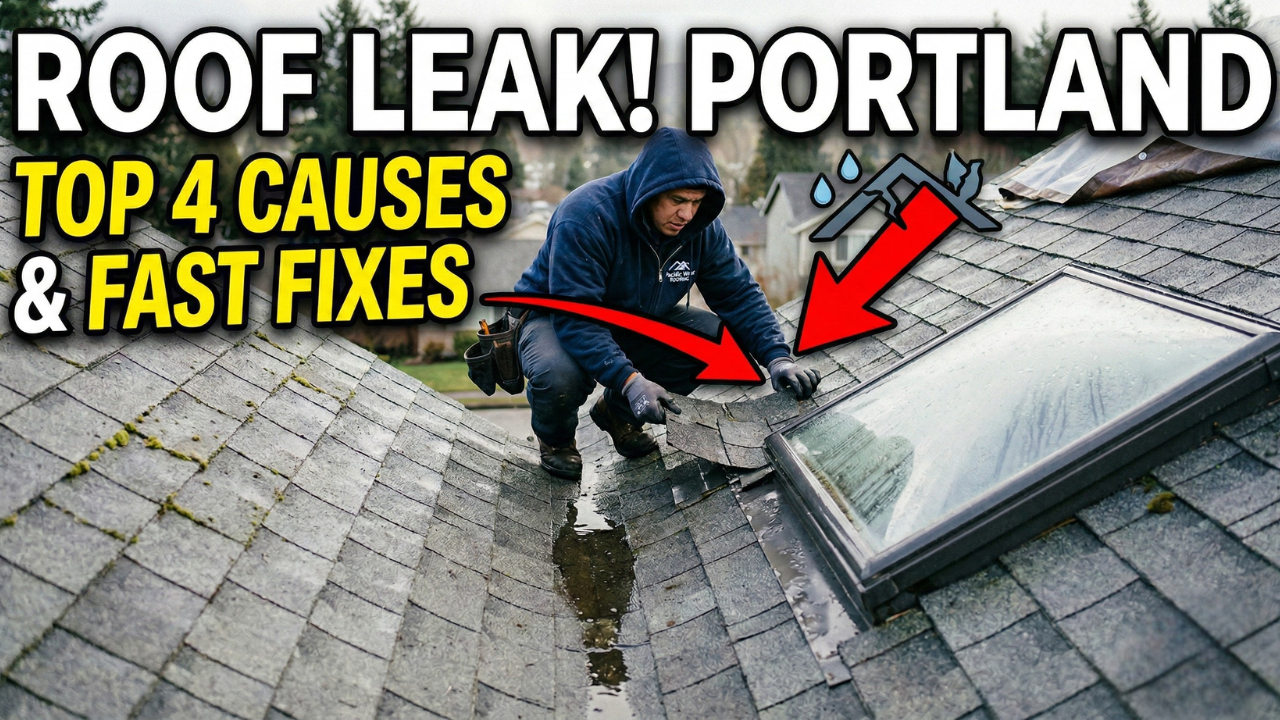
1. Failed Roof Flashing
Flashing is the metal material installed around transitions, such as chimneys, skylights, and dormers. It is designed to direct water away from the seams where the roof meets a vertical surface.
- The Problem: Over time, Portland’s temperature swings cause flashing to expand and contract. This can break the waterproof seal or cause the metal to pull away from the structure.
- The Fix: A professional roof repair usually involves removing the old sealant, reseating the flashing, and applying high-grade, weather-resistant caulking.
2. Compromised Valleys
The “valleys” are the V-shaped angles where two roof slopes meet. Because these areas act as a natural gutter for your roof, they handle the highest volume of water during heavy rain.
- The Problem: If the valley lining is cracked or if debris (like pine needles) has built up, water can “backup” and soak through the underlayment.
- The Fix: Clearing debris is the first step. If the material is damaged, a roofer may need to install a new ice and water shield or metal valley flashing to ensure a watertight path for runoff.
3. Cracked Pipe Boots and Vents
Your roof is full of “penetrations”—pipes for plumbing and vents for airflow. These are sealed with rubber “boots” or plastic housings.
- The Problem: In our climate, the rubber on pipe boots tends to dry out and crack after about 10 years. Once it cracks, water runs straight down the pipe and into your ceiling.
- The Fix: This is one of the most common “fast fixes.” Replacing a pipe boot is a standard part of roof maintenance and can stop a leak instantly.
4. Gutter Backups
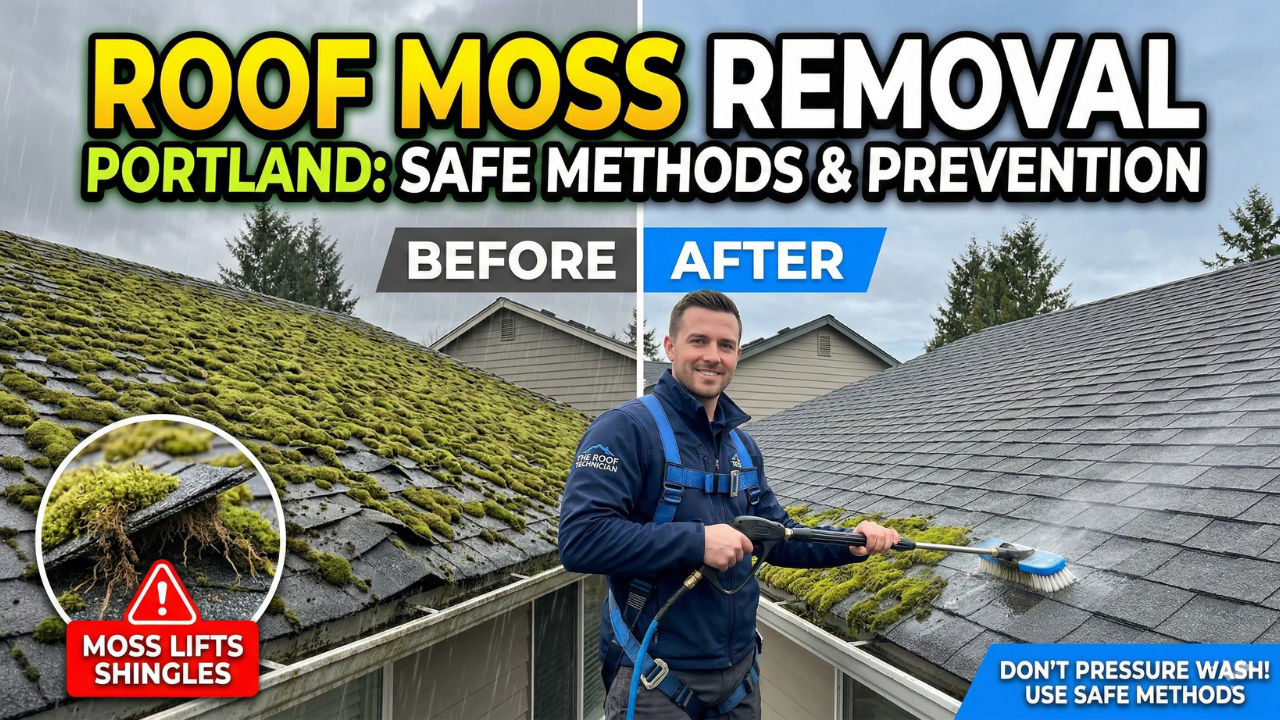
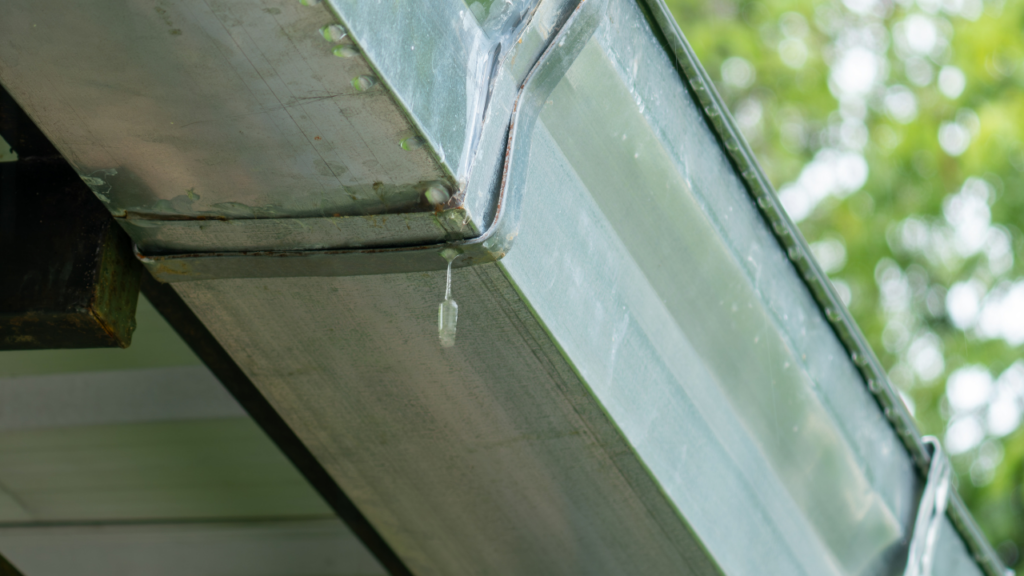
It might not be your shingles at all. If your gutters are full of leaves and Portland moss, the water has nowhere to go.
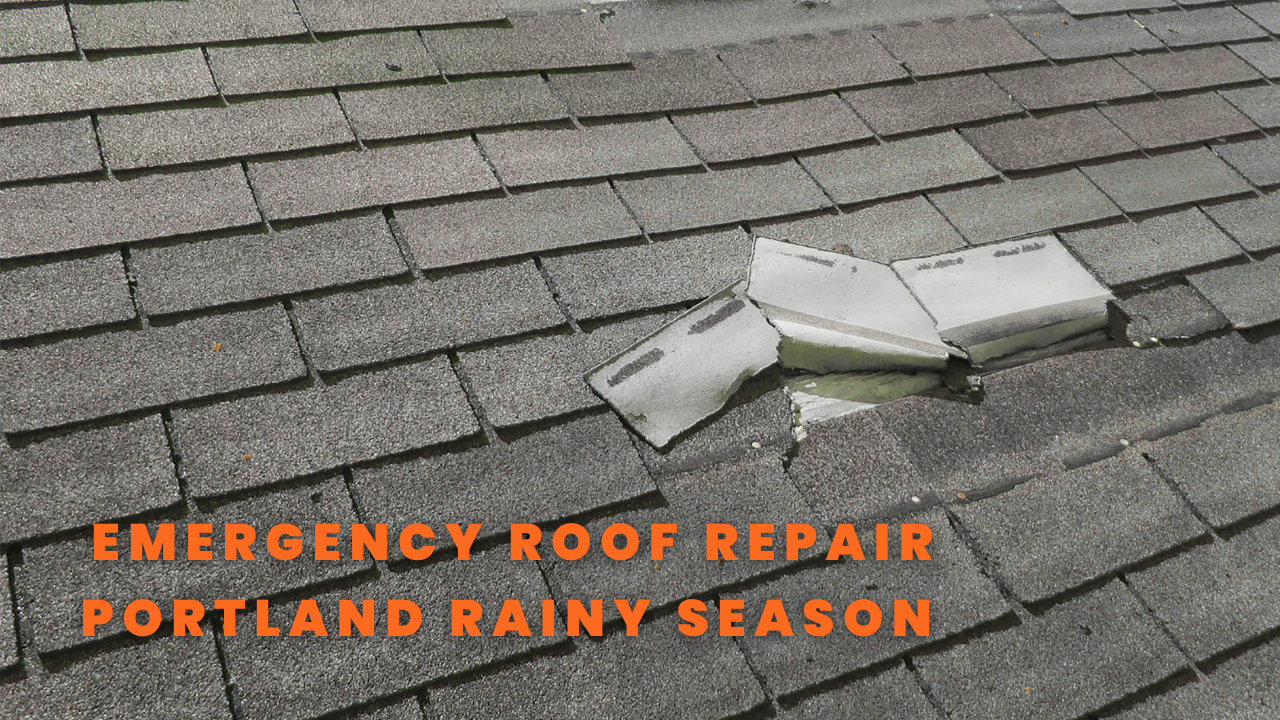
- The Problem: During heavy rain, a clogged gutter will overflow. The water can then wick backward under the edge of your shingles (the “eave”) and rot the fascia boards or enter your soffits.
- The Fix: Regular gutter cleaning is your best defense. Ensure your downspouts are clear so water moves away from your home’s foundation.
What to Do Immediately During a Leak
If you have an active roof leak right now, follow these steps to minimize damage:
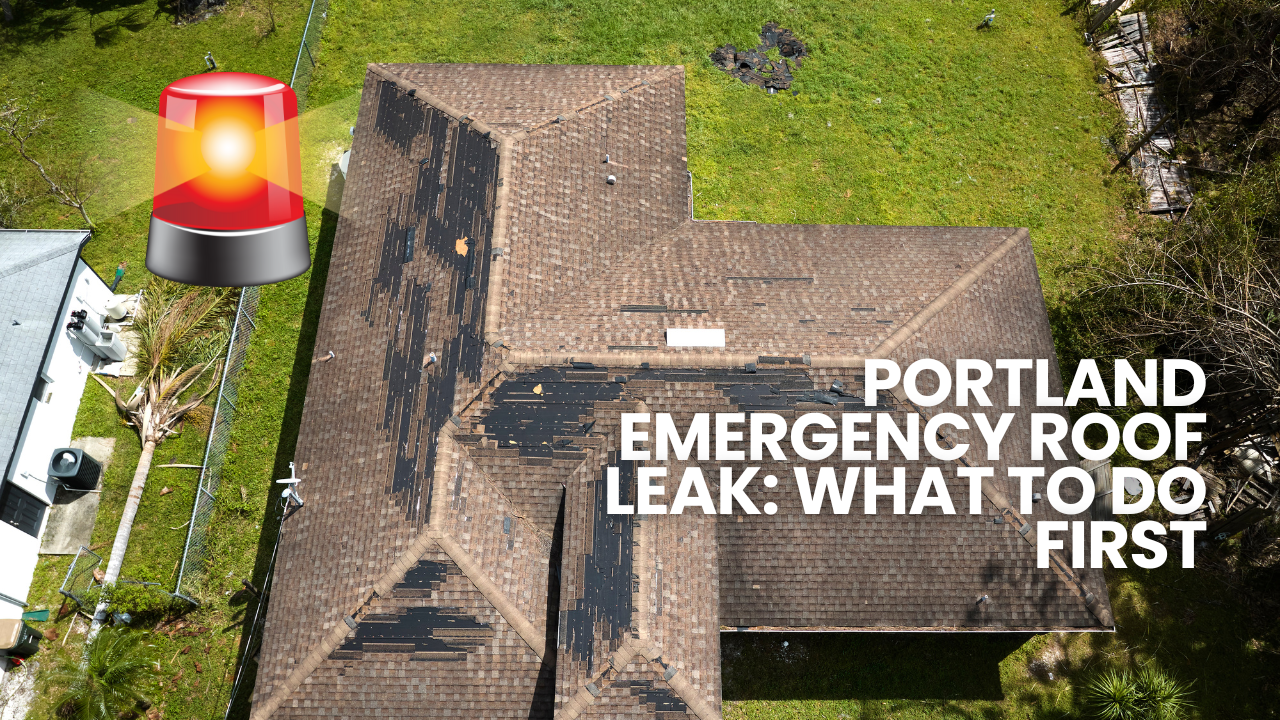
- Contain the Water: Place a bucket under the drip. If the ceiling is bulging, poke a small hole in the center with a screwdriver to let the water drain into the bucket; this prevents the drywall from collapsing.
- Clear the Area: Move electronics, furniture, and rugs away from the moisture.
- Check the Attic: If it’s safe, go into the attic with a flashlight to find the point of entry. Note: The leak on the ceiling isn’t always directly below the hole in the roof, as water often travels down rafters.
- Call a Local Expert: Search for Certified Roofing Services Portland to schedule an emergency inspection.
FAQ: Roof Leaks in the PNW
Why does my roof only leak during heavy rain?
Small gaps in flashing or minor shingle damage might stay dry during a light drizzle. However, during heavy rain, the sheer volume of water creates “sheet flow” that can find its way into tiny cracks that a light rain wouldn’t reach.
Is a leaking roof a covered insurance claim?
Generally, if the leak was caused by a sudden storm event (like a fallen branch or high winds), it may be covered. However, leaks caused by “lack of maintenance” (like moss growth or old age) are usually not covered.
Can I patch a roof leak myself?
While you can use “roofing cement” as a temporary fix, we don’t recommend it as a long-term solution. Improper patches can trap moisture against the wood, causing rot that costs much more to fix later.
How do I find where a roof leak is coming from?
Start in your attic. Look for water stains or “trails” on the plywood. Follow the trail upward to the highest point. Most leaks start around chimneys, vents, or valleys.
Don’t wait for the next storm to see if your patch held. Contact Certified Roofing Services today for a professional leak detection and repair estimate.