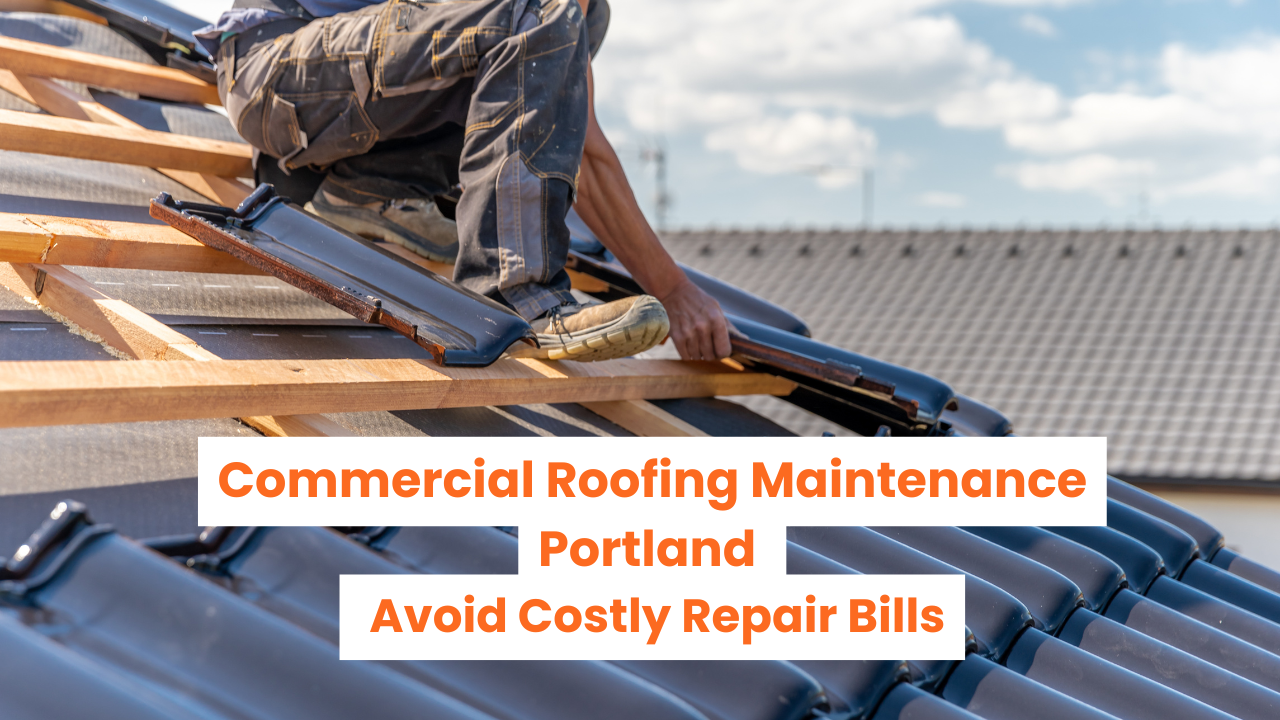

Most homeowners call a roofer after something goes wrong—a sudden leak, wet insulation, or water stains creeping across the ceiling. But in Portland’s rainy, moisture-heavy climate, a professional roofing inspection can save you from thousands of dollars in avoidable damage.
Picture this:
It’s early fall. The first real storm of the season hits, and you suddenly hear a dripping sound in the attic. That’s the moment people realize they should’ve scheduled an inspection during summer. We get this at Certified Roofing Services Portland all the time—panicked calls that start with “I wish I had checked this sooner.”
A roofing inspection is one of the smartest, simplest ways to protect your home. It’s quick, affordable, and gives you a clear picture of your roof’s health—before the rain exposes hidden problems.
This guide walks you through exactly what to expect, a full roofing inspection checklist, and the essential questions you should ask your roofer.
Let’s dive in.
Why Roofing Inspections Are Essential in Portland
Portland’s climate is unique—and tough on roofs. We’re known for:
- 164+ days of rain per year
- High humidity
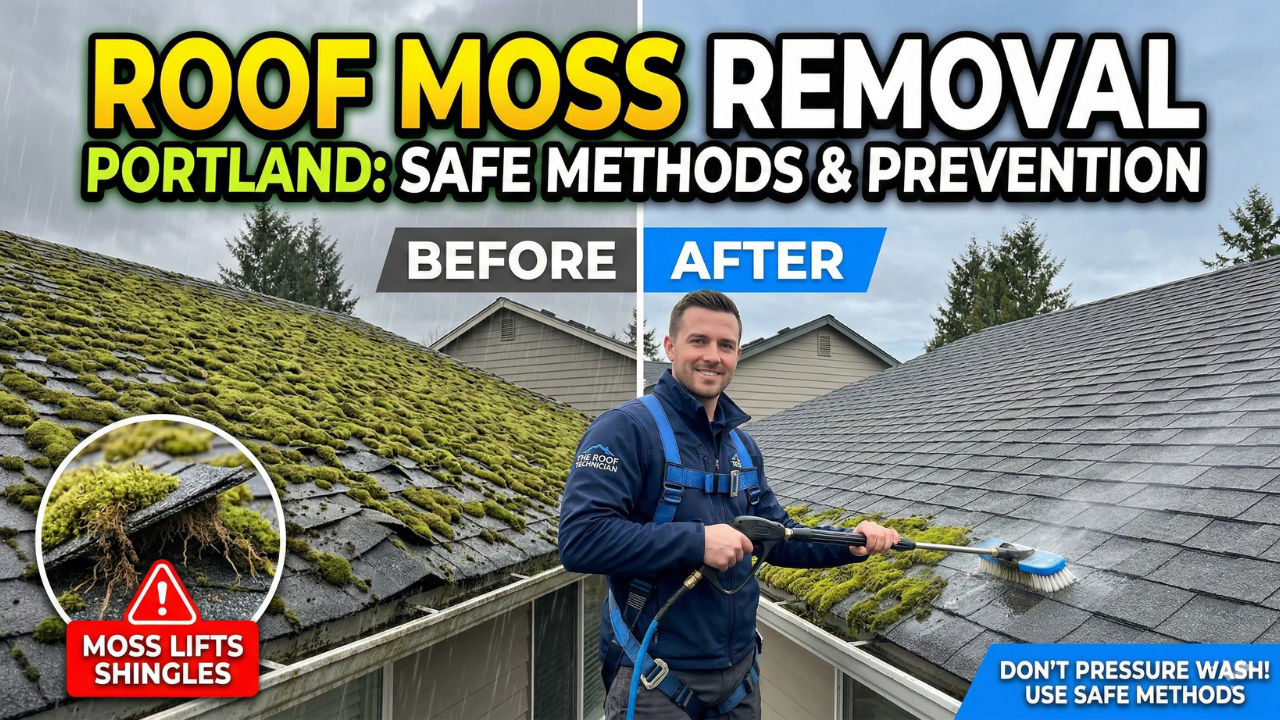
- Heavy moss growth
- Occasional windstorms
- Seasonal temperature swings
- Tree-covered neighborhoods that drop debris year-round
That combination creates the “perfect storm” for roofing problems.
A professional inspection helps you:
✔ Catch leaks before they spread
✔ Prevent rot in decking and attic structures
✔ Extend your roof’s lifespan
✔ Identify ventilation or moisture issues
✔ Plan ahead for repairs or replacement
✔ Avoid surprise expenses during winter
Most roofing issues don’t happen overnight—they develop slowly. Inspections help catch them in their early (and cheapest) stage.
How Often Should You Schedule a Roofing Inspection?
In Portland, Certified Roofing Services Portland recommends:
- Once a year (preferably before rainy season)
- After major wind or rainstorms
- Before buying or selling a home
- After moss or debris buildup
- If your roof is 15+ years old
Pro tip: Schedule roofing inspections in late summer or early fall before consistent rain returns.
What Happens During a Roofing Inspection? – Step-by-Step Process
Many homeowners don’t know what roofers actually look for during an inspection. That’s okay—industry jargon doesn’t make it easy.
Here’s the full breakdown.
1. Exterior Roofing Inspection (Ground Level)
Before climbing onto your roof, inspectors analyze the exterior from the ground.
They look for:
- Sagging or uneven rooflines
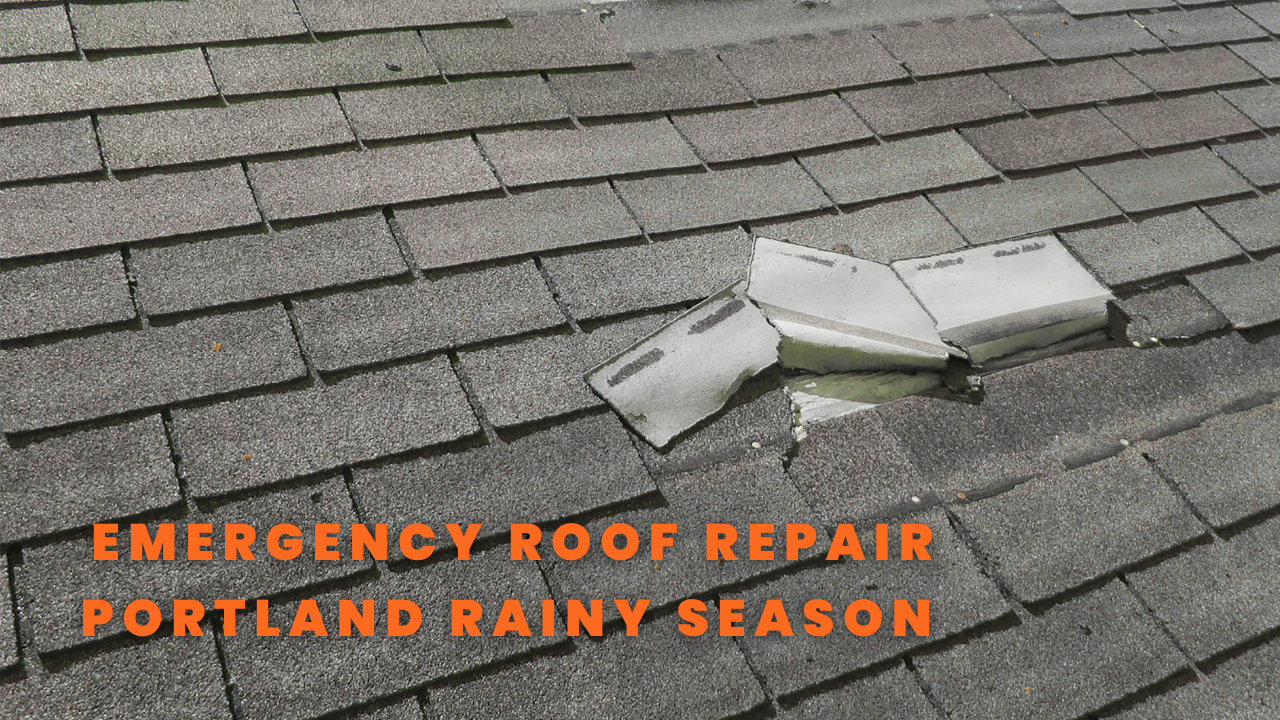
- Missing or curled shingles
- Visible cracks
- Debris piles or clogged drainage
- Moss buildup
- Chimney leaning or separation
- Damaged gutters or downspouts
This step gives roofers a “big picture” understanding of your roofing structure.
2. On-Roof Inspection (Surface-Level Check)
This is the heart of the inspection—where roofers get hands-on.
What They Evaluate on the Roof:
✔ Shingles or Roofing Material Condition
They check for:
- Cracks
- Lifting shingles
- Missing shingles
- Bald spots
- Granule loss
- Warped or soft areas
Portland’s consistent rain causes shingle granules to loosen faster than in dry climates.
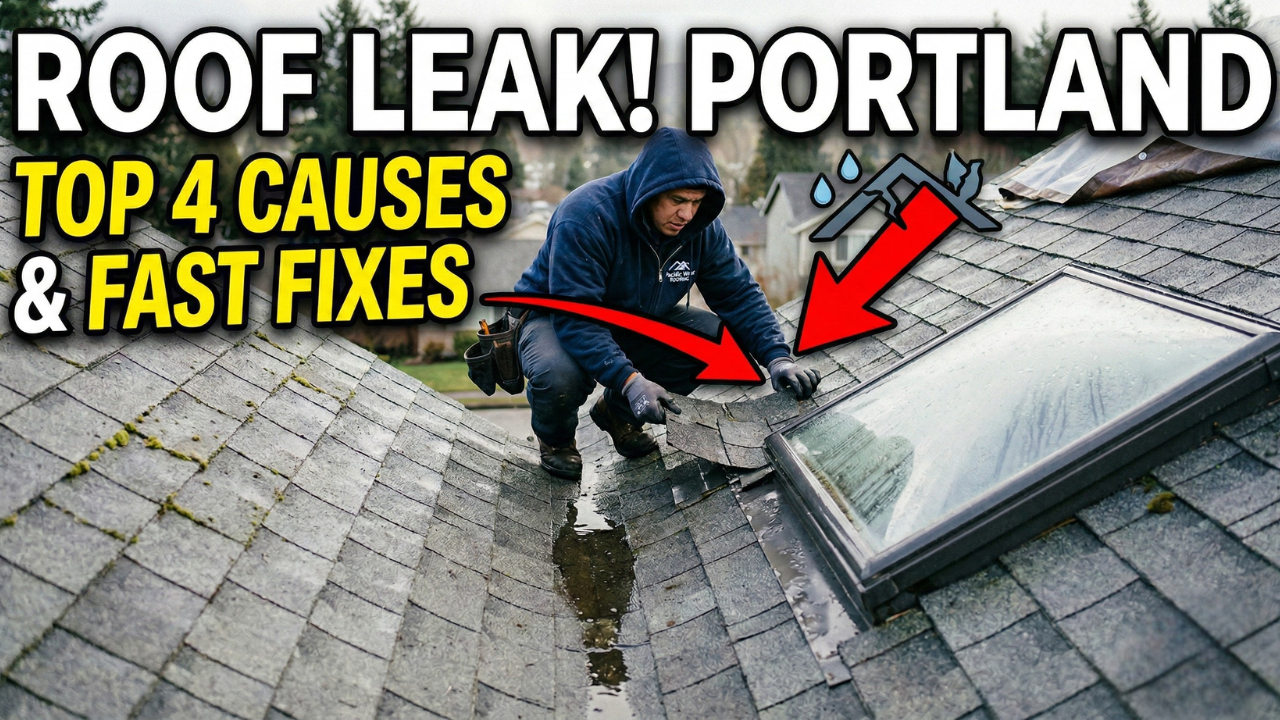
✔ Flashing (one of the most common leak points)
Flashing seals the seams around:
- Chimneys
- Skylights
- Roof edges
- Vents
Rusty or cracked flashing is responsible for more leaks in Portland than almost anything else.
✔ Roof Penetrations
Any hole in the roofing system can cause leaks:
- Vent pipes
- Solar mounts
- HVAC penetrations
- Satellite mounts
Roofers check for cracked seals or improper installation.
✔ Gutters & Drainage
Portland’s tree-heavy environment means:
- Leaves
- Pine needles
- Moss
…can block gutters fast.
Improper drainage leads to rot, leaks, and sagging fascia boards.
✔ Ridge Caps
These protect the top of the roof from water intrusion.
Damaged ridge caps = guaranteed leaks during Portland storms.
3. Structural Inspection
Your roofing system is more than shingles.
Roofers check:
✔ Roof decking stability
Soft or spongy spots mean water damage underneath.
✔ Sagging or unevenness
Indicates structural weakening.
✔ Chimney structure
Cracked mortar and separating seams become water entry points.
✔ Fascia boards & soffits
Rot is extremely common due to Portland’s humidity.
✔ Roof ventilation
Poor airflow creates moisture, mold, and energy loss.
4. Attic Inspection (The Most Overlooked Step)
Many homeowners don’t realize that the attic is the first place leaks become visible.
Roofers check the attic for:
- Water stains
- Wet insulation
- Mold or mildew
- Daylight shining through boards
- Poor ventilation
- Wood rot
If you’ve smelled a musty odor, the attic inspection will reveal why.
5. Moisture, Mold & Thermal Scanning (If Applicable)
Some roofing companies (including us) use:
- Moisture meters
- Thermal imaging
- Leak-tracing tools
These help identify hidden damage behind walls or under decking.
6. Final Report & Repair Recommendations
After inspecting your roofing system, you’ll receive:
- Photos
- Explanation of damage (in simple language)
- Immediate concerns vs. future concerns
- Roof lifespan estimate
- Repair vs. replacement recommendation
- Cost estimate
At Certified Roofing Services Portland, we make this simple—no pressure, no confusing jargon.
Full Roofing Inspection Checklist (Portland Edition)
Here’s the complete homeowner-friendly checklist:
Roof Surface
- Missing shingles
- Curling shingles
- Cracks or splits
- Granule loss
- Moss or algae growth
- Damaged ridge caps
- Blistering or soft spots
Flashing
- Cracked caulking
- Rust or corrosion
- Loose flashing around chimneys
- Damage around skylights
- Unsealed vent boots
Structural
- Sagging decks
- Uneven rooflines
- Fascia deterioration
- Gutter damage or clogs
Attic
- Moisture or water stains
- Mold or mildew
- Poor airflow
- Damaged insulation
- Light showing through roof boards
Drainage
- Clogged gutters
- Improper downspout slope
- Standing water
This checklist helps you understand exactly what roofers evaluate—and why each item matters.
Questions You Should Always Ask During a Roofing Inspection
Most homeowners never ask these questions, and they should.
Use this list the next time your home is inspected.
1. How old is my roof and how much life does it have left?
This helps you plan ahead—especially if you’re budgeting for replacement.
2. Are there any leaks forming or likely to form soon?
Some leaks start months before you see water inside.
3. What repairs are urgent versus optional?
A good roof inspector will break this down clearly.
4. Is my roof properly ventilated?
Poor ventilation = mold, moisture, higher energy bills.
5. Are my shingles/materials still in good condition?
They may look fine on the surface but fail underneath.
6. Should I repair or replace?
If your roof is 15–25 years old, this is critical.
7. How does Portland’s climate affect my roofing system?
Every neighborhood behaves differently:
- Milwaukie: heavy tree debris
- Northeast Portland: wind exposure
- West Hills: moisture pockets and moss
- Sellwood: older roofs and historic homes
8. What maintenance does my roof need?
This includes:
- Moss removal
- Gutter cleaning
- Debris clearing
- Flashing resealing
9. Are there code issues I should know about?
Especially important for older homes.
10. How much will repairs cost—and how long do they last?
The right repair should extend your roof’s life, not patch it temporarily.
How Certified Roofing Services Portland Performs Roofing Inspections
We follow a strict, transparent process designed for Portland homes:
✔ Thorough interior + exterior inspection
Shingles, flashing, attic, structure, ventilation, gutters.
✔ Full photo documentation
So you can see exactly what we found.
✔ Simple repair recommendations
No pressure. No upselling.
✔ Affordable options
We always offer more than one solution.
✔ Fast scheduling
Especially during rainy seasons.
✔ Honest roof lifespan estimates
So you can plan ahead.
Common Roofing Issues Found During Inspections in Portland
From 20+ years of experience, these are the most common:
1. Moss growth
Thrives in shaded, rainy areas.
2. Flashing failure
#1 cause of roof leaks in Portland.
3. Rotting fascia boards
Due to constant moisture.
4. Ventilation problems
Causes moldy attics.
5. Clogged gutters
Massive issue in tree-heavy neighborhoods.
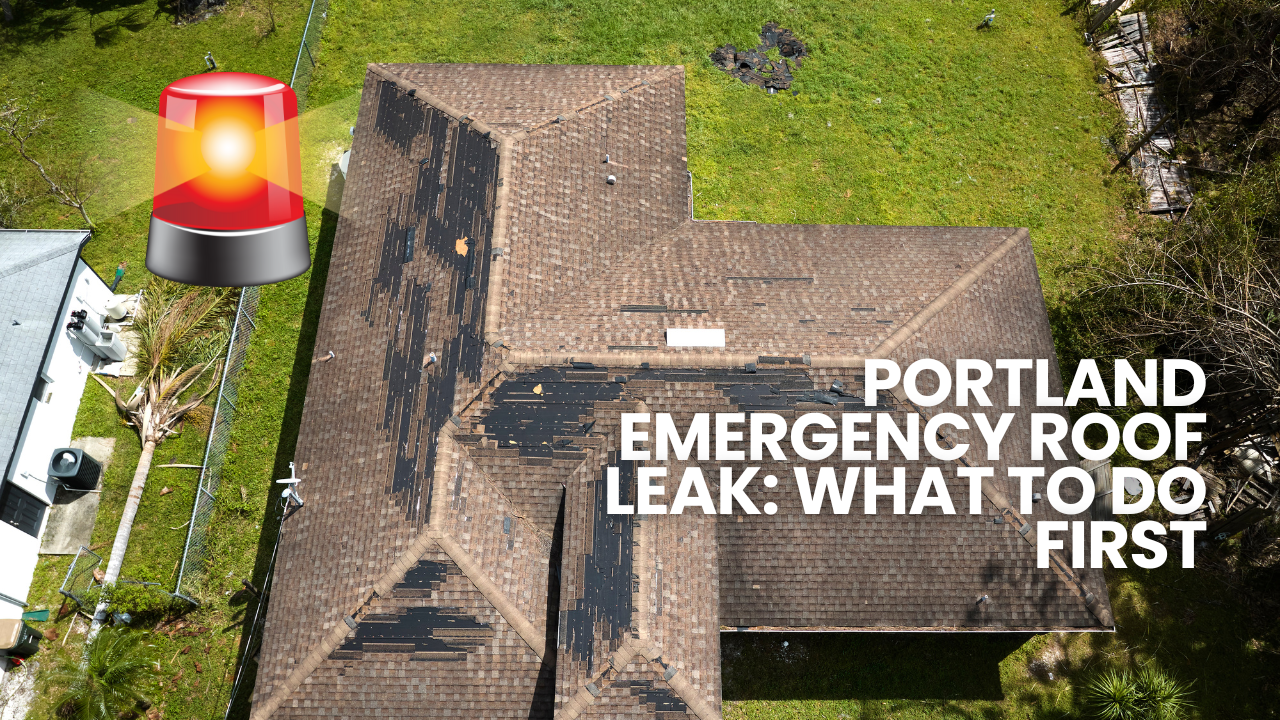
6. Storm damage
Wind can loosen shingles without you noticing.
7. Hidden leaks
Especially around chimneys and skylights.
Benefits of Getting a Roofing Inspection Before Portland’s Rainy Season
You can avoid:
- Emergency leak repairs
- Attic mold remediation
- Costly water damage
- Structural rot
- Insurance claim denials
- Full roof replacements
A simple inspection can save homeowners $1,000–$10,000 in preventable repairs.
Conclusion: A Roofing Inspection Is the Best Insurance for Portland Homes
A roofing inspection isn’t just a task on your maintenance list—it’s one of the smartest investments you can make in your home. With Portland’s damp climate, moss growth, and unpredictable storms, even small issues can become expensive fast.
A professional inspection from Certified Roofing Services Portland gives you clarity, confidence, and a plan to protect your home long-term.
👉 Schedule your roofing inspection today.
👉 Stay ahead of leaks before the rainy season hits.
FAQ – Roofing Inspections in Portland
1. How long does a roofing inspection take?
Most inspections take 45–90 minutes depending on roof size and condition.
2. How much does a roof inspection cost in Portland?
Many are free; detailed inspections range from $150–$300 depending on the home.
3. Do I need to be home during the inspection?
Not always, but being home helps with attic access and discussion afterward.
4. What time of year is best for inspections?
Late summer or early fall—right before heavy rain begins.
5. How soon should I repair problems found during inspection?
Leak-prone or structural issues should be handled immediately to avoid spreading damage.