The Roof That Fits Portland’s Rainy Personality
In a city where it rains nearly half the year, your roof isn’t just a design choice—it’s your first line of defense against the elements. Whether you’re building a new home or replacing an aging roof, the question often comes up:
“Should I go with a flat roof or a sloped roof?”
Both designs have their advantages, but in Portland’s rainy climate, the right choice can make a big difference in durability, maintenance, and long-term costs.
Let’s dive into the pros and cons of each type—so you can confidently choose what’s best for your home.
1️⃣ Understanding the Basics: What’s the Difference?
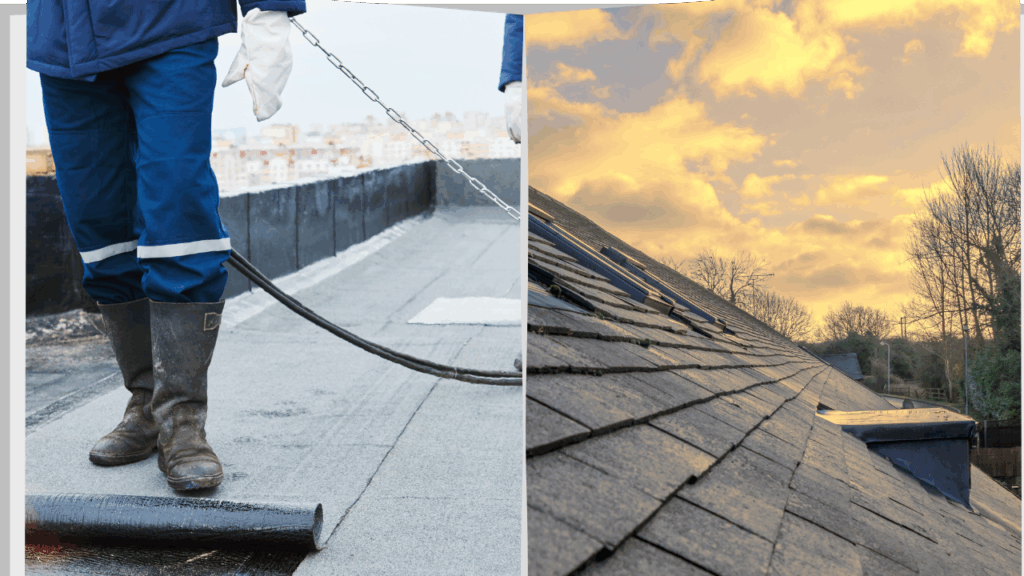
Flat Roofs:
Despite the name, flat roofs aren’t completely flat—they have a slight slope (1–10 degrees) to allow water drainage. Commonly seen on modern homes and commercial buildings, they offer a sleek, contemporary look.
Sloped Roofs:
Sloped roofs, or pitched roofs, have a more noticeable angle (usually 15–45 degrees) that naturally helps water, snow, and debris slide off. They’re more traditional and common in Portland’s residential neighborhoods.
2️⃣ Flat Roofs: Pros, Cons & Ideal Uses
Flat roofs have become increasingly popular in Portland, especially for modern architecture or homes that value rooftop functionality.
✅ Advantages of Flat Roofs
- Sleek modern look: Perfect for contemporary home designs.
- Usable space: Great for rooftop decks, gardens, or solar panels.
- Easier access: Simpler and safer to inspect or repair.
- More affordable upfront: Lower installation costs compared to sloped roofs.
⚠️ Disadvantages of Flat Roofs
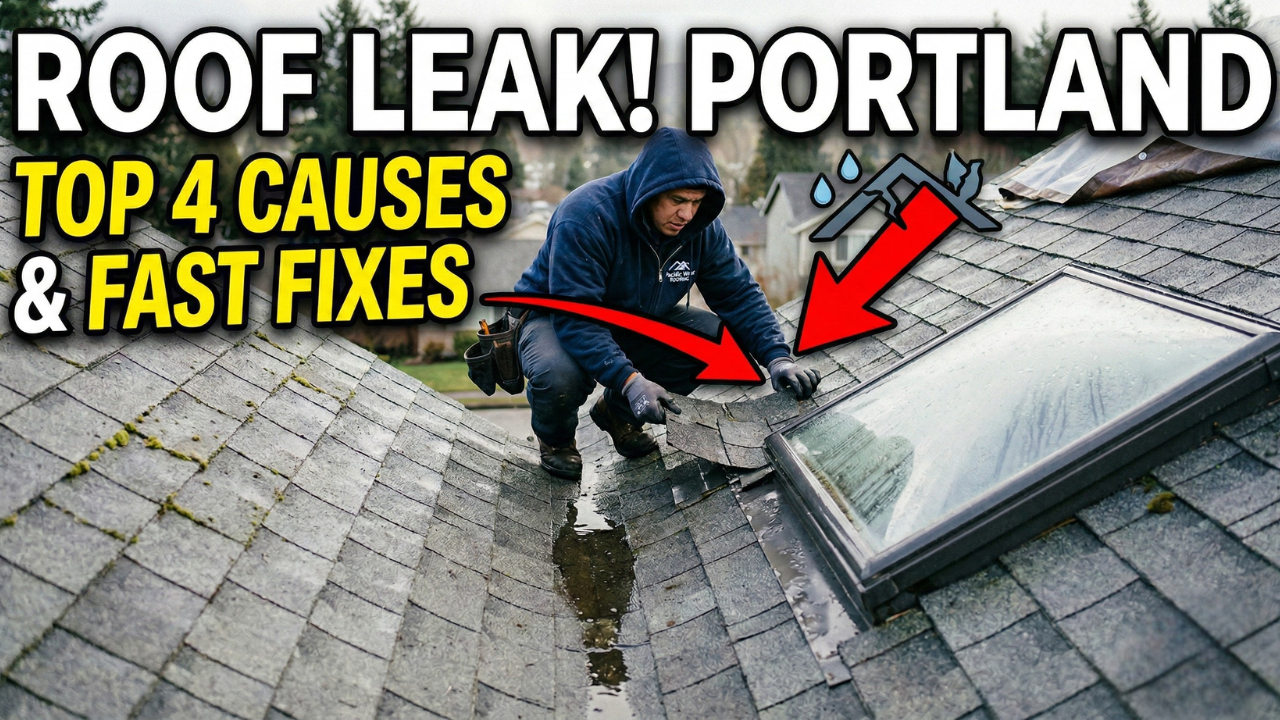
- Drainage issues: Water doesn’t run off easily, leading to pooling and leaks.
- Shorter lifespan: Typically 15–25 years vs. 30–50 years for pitched roofs.
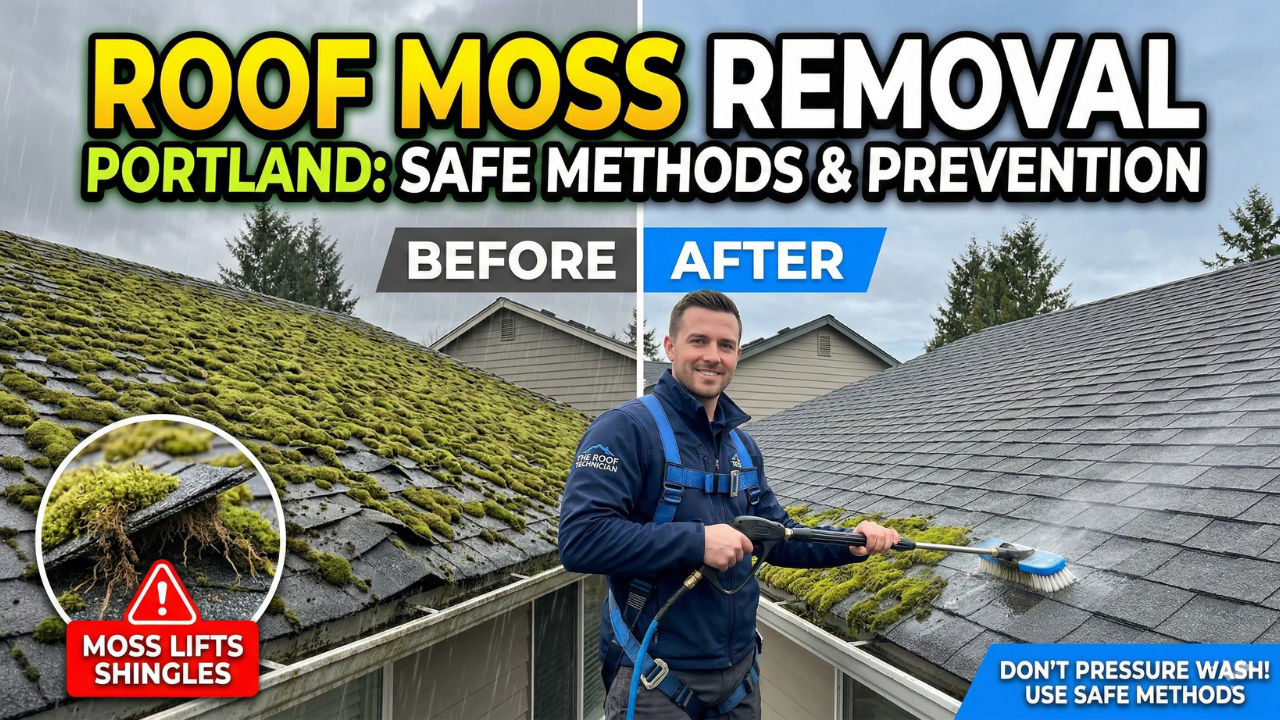
- More maintenance: Moss, debris, and ponding water are common in Portland’s wet weather.
💡 Example: A homeowner in North Portland installed a flat roof with a built-in drainage system. It looked great—but after three years of heavy rain, moss buildup caused minor leaks. Regular cleaning solved the issue, but it highlighted how critical maintenance is for flat roofs in this region.
3️⃣ Sloped Roofs: Pros, Cons & Why They Dominate Portland Homes
✅ Advantages of Sloped Roofs
- Excellent drainage: Perfect for Portland’s rainy climate.
- Longer lifespan: Materials like asphalt, metal, or tile can last decades.
- Less maintenance: Water runoff prevents leaks and moss growth.
- Better energy efficiency: Attic space allows for better ventilation and insulation.
⚠️ Disadvantages of Sloped Roofs
- Higher installation cost: More materials and labor.
- Limited rooftop use: Not ideal for decks or gardens.
- Complex repairs: Harder and more dangerous to access for maintenance.
🏠 Real-life story: A couple in Beaverton opted for a sloped metal roof after years of patching leaks on their old flat roof. The new design handled heavy rains perfectly and cut their heating bills by 20%.
4️⃣ Comparing Roof Materials for Portland Weather
| Material | Best For | Average Lifespan | Maintenance Level |
|---|---|---|---|
| Asphalt Shingles | Sloped Roofs | 20–30 years | Low |
| Metal Roofing | Sloped Roofs | 40–70 years | Very Low |
| EPDM Rubber | Flat Roofs | 20–25 years | Medium |
| TPO Membrane | Flat Roofs | 20–30 years | Low |
| PVC Roofing | Flat Roofs | 25–35 years | Low |
Each material performs differently under Portland’s rain-heavy climate, so choosing the right one matters as much as choosing the roof type itself.
5️⃣ Roof Maintenance Considerations in Portland
Regardless of which type you choose, roof maintenance is key to longevity.
For Flat Roofs:
- Inspect and clean drains regularly
- Remove moss and debris after each rainy season
- Reseal seams every few years
For Sloped Roofs:
- Check shingles or flashing for damage
- Clean gutters twice a year
- Trim overhanging tree branches
👉 Learn more: Preventive Roof Maintenance Tips for Rainy Portland Weather
6️⃣ Cost Comparison: Flat vs. Sloped Roof in Portland
| Roof Type | Average Cost per Sq. Ft. | Lifespan | Long-Term Value |
|---|---|---|---|
| Flat Roof | $5–$10 | 15–25 years | Moderate |
| Sloped Roof | $7–$14 | 25–50 years | High |
While flat roofs may cost less initially, sloped roofs offer better durability and long-term savings in a wet climate like Portland.
7️⃣ Energy Efficiency & Design Flexibility
Flat Roofs:
Can easily accommodate solar panels, HVAC systems, or rooftop gardens—perfect for eco-conscious homeowners.
Sloped Roofs:
Better natural insulation and ventilation, which can lower heating and cooling costs year-round.
If you want sustainability and a modern look, flat roofs can work beautifully—but for pure weather resilience, sloped roofs win in Portland’s climate.
8️⃣ Which Roof Type Is Right for You?
Choose a Flat Roof if you want:
- A modern or minimalist home style
- Rooftop living or solar setup
- Lower initial costs (but higher maintenance)
Choose a Sloped Roof if you want:
- Low-maintenance durability
- Better water runoff in rainy seasons
- Traditional aesthetics and long-term performance
At Certified Roofing Services Portland, we help homeowners assess the right design for their structure, budget, and style. Every home is different—and so is every roof.
Conclusion: Your Roof, Your Investment
Whether you prefer the modern look of a flat roof or the classic protection of a sloped roof, the key is proper installation and ongoing maintenance.
Portland’s rainy climate makes roof quality and drainage crucial. With professional installation and routine upkeep, either option can perform beautifully for decades.
Certified Roofing Services Portland has decades of experience designing, installing, and maintaining both flat and sloped roofs that withstand the Northwest’s toughest weather.
👉 Contact Certified Roofing Services Portland
to schedule a free roof consultation today.
FAQs About Flat vs. Sloped Roofs
1. Which roof type lasts longer?
Sloped roofs typically last longer—often 30 to 50 years depending on materials—while flat roofs last around 20–25 years.
2. Are flat roofs good for Portland’s climate?
Yes, but they require excellent drainage and regular maintenance to prevent ponding and leaks.
3. Can I convert a flat roof to a sloped roof?
It’s possible but costly. Talk to Certified Roofing Services Portland for a professional assessment.
4. Which roof type is more energy efficient?
Both can be energy efficient if properly insulated. Flat roofs allow for solar panels; sloped roofs offer better ventilation.
5. Which roof type costs more to install?
Sloped roofs generally cost more upfront due to labor and materials, but they require less maintenance long-term.